

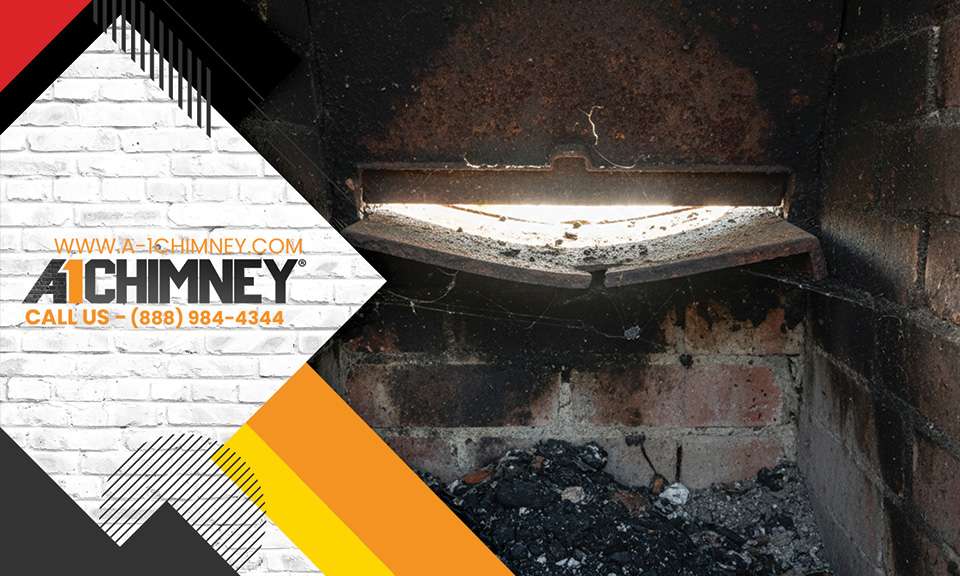
Chimney damper problems are one of the most common and most overlooked issues affecting fireplaces across the country. A faulty chimney damper that is stuck closed traps smoke inside your home. A stuck chimney damper that refuses to seal lets cold air pour in all winter and conditioned air escape all summer. Poor chimney damper repair leads to repeat failures. When chimney damper replacement becomes necessary, choosing the wrong type makes chimney draft problems worse. Whether you have noticed smoke backing up into the room, felt a cold draft through the firebox, or found that your damper handle has stopped moving, this guide explains what causes chimney damper problems and what your repair and replacement options look like.
What a Chimney Damper Does and Why It Matters
A chimney damper is a movable plate typically made of cast iron or steel. It sits inside the chimney just above the firebox. Its job is straightforward but critical: open when the fireplace is in use to let smoke escape up the flue, and close when the fireplace is idle to seal the chimney against outside air, animals, rain, and energy loss.
A properly functioning damper gives the homeowner control over airflow at all times. When chimney damper problems develop, that control disappears. The consequences range from minor inconvenience to genuine safety hazard. A stuck chimney damper that blocks smoke exposes your household to carbon monoxide, a colorless and odorless gas that becomes dangerous at elevated indoor concentrations. Early chimney damper repair is always safer and more affordable than waiting for a full failure.
Signs of Chimney Damper Problems
Recognizing the early signs of a faulty chimney damper helps you act before chimney damper problems affect indoor air quality, energy costs, or the chimney’s structure. Each symptom below points to a specific problem and a corresponding chimney damper repair or replacement solution.
Smoke entering the room when the fireplace is in use
This is the most obvious of all chimney damper problems. A damper that is partially stuck, corroded in a closed position, or warped restricts the upward flow of smoke. The smoke has nowhere to go but back into the room. A single episode of smoke rollback is worth investigating. Repeated episodes confirm a stuck chimney damper or warped plate that needs professional chimney damper repair before you use the fireplace again.
Cold drafts coming from the firebox
A damper that fails to seal completely allows cold outside air to flow into the living space through the firebox. Chimney draft problems from a leaking damper rank among the leading causes of unexplained heating bills in homes with fireplaces. If you feel cold air near the fireplace with the damper closed and no fire burning, the seal has failed. You need chimney damper repair or chimney damper replacement right away.
The damper handle will not move
A stuck chimney damper that resists movement in either direction usually results from rust, corrosion, or physical warping of the damper plate. Sometimes birds or animals deposit nesting material on top of the plate and physically block it from opening. A stuck chimney damper that will not open creates a serious safety risk. Lighting a fire with the damper sealed fills the room with smoke within minutes. Never force the handle. Have a professional assess it and decide whether chimney damper repair or replacement is right.
Visible rust, corrosion, or warping
Rain, condensation, and the combustion process expose throat dampers to significant moisture. Over time that moisture corrodes the cast iron or steel plate and the pivot hardware. A visibly rusted or warped damper is a faulty chimney damper that deteriorates further with every use. At that point, chimney damper replacement becomes more cost-effective than repair.
Energy bills higher than expected
A damper that does not seal tightly acts as an open hole in your home’s thermal envelope. A fireplace with a leaking damper can account for 8% or more of a home’s total heating loss. If your energy bills have climbed without explanation and you have a wood-burning fireplace, chimney damper problems are worth investigating first. Resolving chimney draft problems through proper damper repair or replacement often produces a noticeable drop in monthly heating costs within the first season.
A simple test for damper seal quality: hold a lit stick of incense near the firebox opening with the damper closed. If the smoke moves toward the firebox rather than drifting into the room, air is pulling through the seal. That confirms chimney draft problems from a leaking damper.
What Causes Chimney Damper Problems
Identifying the root cause of a faulty chimney damper determines the right chimney damper repair approach and prevents the same problem from returning. Most chimney damper problems trace back to one of the following causes.
Rust and moisture damage
Moisture is the primary enemy of throat dampers. Rainfall entering an uncapped chimney, condensation cycles in a cold flue, and humid seasons all add to the corrosion load on cast iron or steel. Rust pits the surface and seizes the pivot hardware. Eventually it warps the plate so it cannot form a complete seal. This creates both a stuck chimney damper and persistent chimney draft problems. A properly fitted chimney cap keeps most rainfall away from the damper and prevents this type of chimney damper problem entirely.
Creosote and debris accumulation
Creosote is the tarry byproduct of wood combustion. It builds up on every surface inside the flue, including the damper plate and its pivot points. Heavy creosote deposits can cement a damper in place and create a stuck chimney damper that resists both opening and closing. This is one of the most common reasons a chimney damper will not open in homes with active wood-burning fireplaces. Annual chimney cleaning clears creosote from the damper before it reaches a level that requires major chimney damper repair.
Physical warping from heat
Throat dampers absorb significant radiant heat from the firebox during every use. Years of heating and cooling cycles warp cast iron and steel so the damper plate no longer fits its seat. A warped damper cannot close fully regardless of how hard you push the handle. This produces persistent chimney draft problems and fireplace draft issues even when the damper appears closed. Warping severe enough to break the seal is typically the threshold for chimney damper replacement.
Animal intrusion and debris
Birds, squirrels, and raccoons enter uncapped chimneys and build nests on top of the damper plate. Nesting material packed between the damper and its seat prevents complete closure and causes chimney draft problems throughout the heating season. In some cases an animal enters the flue and cannot escape. That creates both a blockage and an odor problem. A professional must remove the obstruction before chimney damper repair can proceed.
Chimney Damper Repair: What the Options Look Like
Not every chimney damper problem requires full replacement. Chimney damper repair works well when the damper’s structure is sound but debris, corroded hardware, or a damaged control rod has compromised its operation. A professional assessment is always the right starting point. A technician can determine within minutes whether chimney damper repair restores reliable function or whether chimney damper replacement is the smarter long-term investment.
Cleaning and freeing a stuck chimney damper
A stuck chimney damper from creosote buildup or light rust often comes free during a professional chimney cleaning. The chimney sweep cleans the damper plate and pivot points, applies penetrating lubricant to the hardware, and tests the full range of motion. This is the least invasive form of chimney damper repair. It is the right starting point when the plate is structurally sound and the chimney damper will not open simply because of debris or surface corrosion.
Pivot and control rod repair
When the damper plate is sound but the pivot pin or control rod has corroded through or broken, a technician replaces just the hardware without touching the rest of the damper assembly. This chimney damper repair option restores full operation at a fraction of the cost of replacement. It works well when the plate and seat remain in acceptable condition and the faulty chimney damper is otherwise structurally intact.
Damper seat resurfacing
When the damper seat corrodes or chips to the point where it cannot form a proper seal, a technician rebuilds the seat surface with refractory mortar. This chimney damper repair resolves chimney draft problems from seal failure without requiring full replacement. It works especially well on older masonry fireplaces where the surrounding structure is still in good condition.
Never try to force a severely stuck chimney damper with tools. A cast iron damper plate corroded through can shatter under force and send shards into the firebox. Always have a professional assess a damper that resists movement before you apply significant force.
Chimney Damper Replacement: When Repair Is No Longer Enough
Chimney damper replacement becomes the right decision when the plate warps beyond the ability to seal, when corrosion compromises the structural integrity of the casting, or when the existing throat damper no longer performs adequately. Two primary chimney damper replacement options exist, and the choice between them significantly affects long-term performance and whether fireplace draft issues return.
Traditional throat damper replacement
A new cast iron or steel throat damper in the original position is the most straightforward chimney damper replacement option. It matches the existing configuration and works well when the damper seat is sound and the chimney cap provides adequate rain protection. Modern throat dampers include improved sealing materials such as silicone gaskets. These provide better closure than bare metal on metal contact and reduce the frequency of future chimney damper problems.
Top-mount damper installation
A top-mount damper installs at the very top of the flue and functions as both a damper and a chimney cap. A stainless steel cable runs down the flue to a handle inside the firebox so you control it from the hearth. Top-mount chimney damper replacement seals the flue at the top and eliminates chimney draft problems, moisture intrusion, and animal entry all at once. Homes with persistent fireplace draft issues benefit most from this solution because it resolves the problem definitively and replaces a separate chimney cap at the same time.
Top-mount chimney damper replacement typically costs $150 to $300 installed. A traditional throat damper runs $75 to $200. The energy savings from superior sealing and the removal of a separate chimney cap expense often make the top-mount the better value within two to three heating seasons.
Preventing Chimney Damper Problems Long-Term
The most effective way to prevent chimney damper problems is annual professional maintenance, a proper chimney cap, and prompt attention to early warning signs of a faulty chimney damper or developing chimney draft problems.
- Install a quality chimney cap. A cap that covers the flue opening reduces moisture exposure to the damper and keeps animals out. These are the two leading causes of stuck chimney dampers and premature failure requiring chimney damper replacement.
- Schedule annual chimney cleaning. A certified chimney sweep inspects and cleans the damper at every visit. This catches creosote buildup and early corrosion before they produce a fully stuck or faulty chimney damper that needs major chimney damper repair.
- Never leave the damper open when the fireplace is not in use. An open damper in an uncapped chimney invites moisture and animals. Close the damper fully after every fire cools completely, which takes about 12 hours after the last log burns down.
- Address chimney draft problems promptly. Gradually worsening fireplace draft issues signal a damper that is starting to fail. Early chimney damper repair always costs less than waiting until the plate warps or seizes and chimney damper replacement becomes the only option.
Fix Chimney Damper Problems Before They Affect Safety and Comfort
Chimney damper problems affect your home’s safety, comfort, and energy efficiency at the same time. A stuck chimney damper that traps smoke creates a carbon monoxide risk. A faulty chimney damper that will not seal drives up heating costs all winter. Chimney draft problems that go unaddressed accelerate wear on the damper, the firebox, and the flue liner above it. Whether you need targeted chimney damper repair, a full chimney damper replacement with a top-mount unit, or a professional cleaning to free a seized damper, acting early always costs less than waiting.
A1 Chimney is ready to inspect your damper, diagnose the issue accurately, and recommend the chimney damper repair or replacement option that fits your chimney’s condition and your budget. Contact us today to schedule a chimney inspection and get your fireplace operating safely and efficiently again.
Phone: (888) 984-4344
Email: office@a-1chimney.com
Website: https://a-1chimney.com/